Introduction
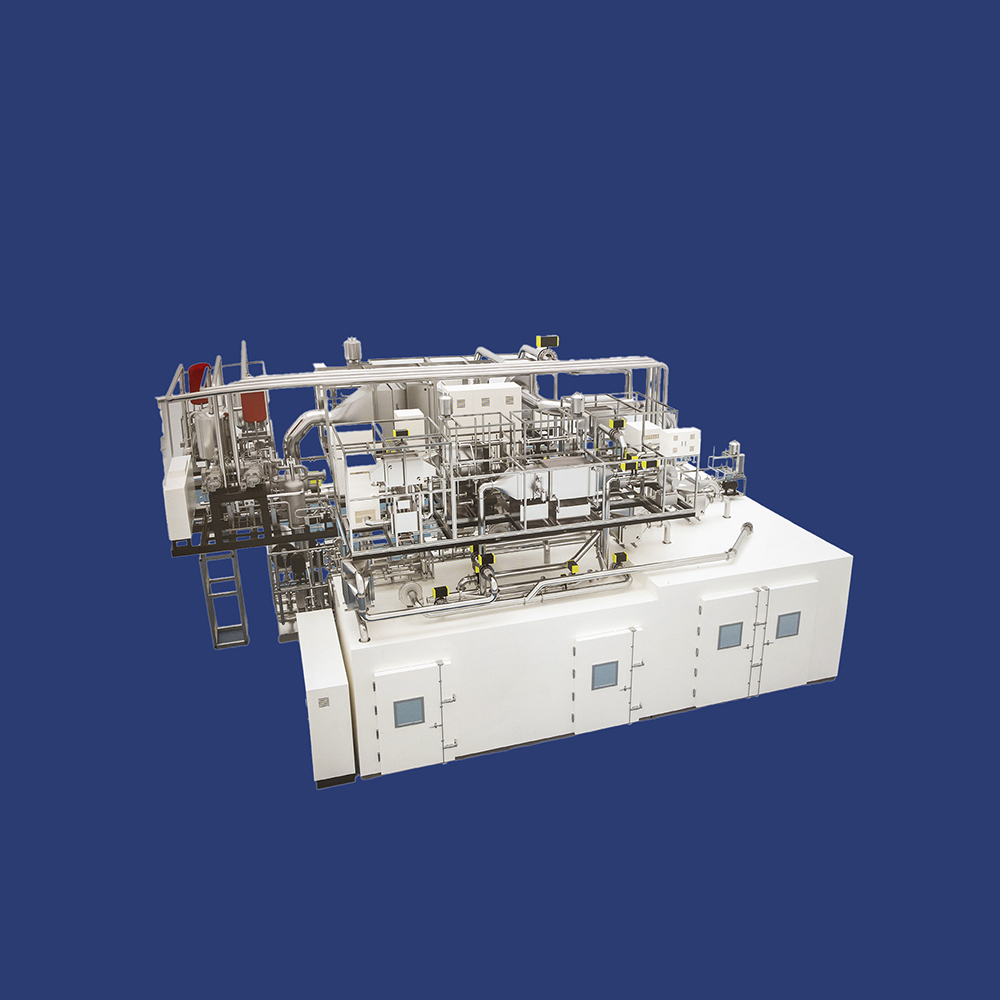
Hydrogen energy is gradually becoming an important source of power in the field of new energy vehicles, among which the safety testing of hydrogen fuel cell vehicles (FCEV) is particularly crucial. In order to ensure the safety of these vehicles in practical applications, the JHC-30-M hydrogen fuel cell vehicle professional testing cabin has emerged.
This test chamber is designed specifically for M1 fuel cell vehicles and is capable of efficiently conducting hydrogen leakage and safety testing of onboard hydrogen systems while complying with international and domestic standards such as GB/T 24549-2020. The test chamber is equipped with high-precision hydrogen concentration sensors of different ranges, which can accurately sample and analyze hydrogen concentration at multiple key points. In addition, its enclosed design and use of non volatile and non absorbent materials ensure strict control of the testing environment and high accuracy of the experiment.
Function
Испытание на утечку водорода для автомобилей класса М1
Испытание бортовой водородной системы на утечку водорода
Испытание на выбросы водорода автомобилем
Standards
GBT24549-2020 Требования безопасности для электромобилей на топливных элементах
GBT29126-2012 Технические условия для водородных систем в электромобилях на топливных элементах
GBT37154-2018 Метод испытаний на выбросы водорода электромобилями на топливных элементах
T/CSAE123-2019 Методы испытаний и требования безопасности на утечку и выбросы водорода в закрытых помещениях электромобилей на топливных элементах
Advantage
Adopting international famous brand hydrogen concentration sensor to ensure the accuracy and real-time data, the highest sampling frequency up to 10HZ, support data curve generation and export, convenient for users to analyze in depth.
Equipped with temperature control and wind speed adjustment functions, it can accurately simulate the actual working condition of M1 class hydrogen fuel vehicles in various confined environments.
Taking hydrogen safety into full consideration, the hydrogen concentration detection is linked with the strong exhaust system to ensure the safety of the experimental environment; all electrical components in the chamber meet the hydrogen explosion-proof requirements to ensure the safety of the testing process.